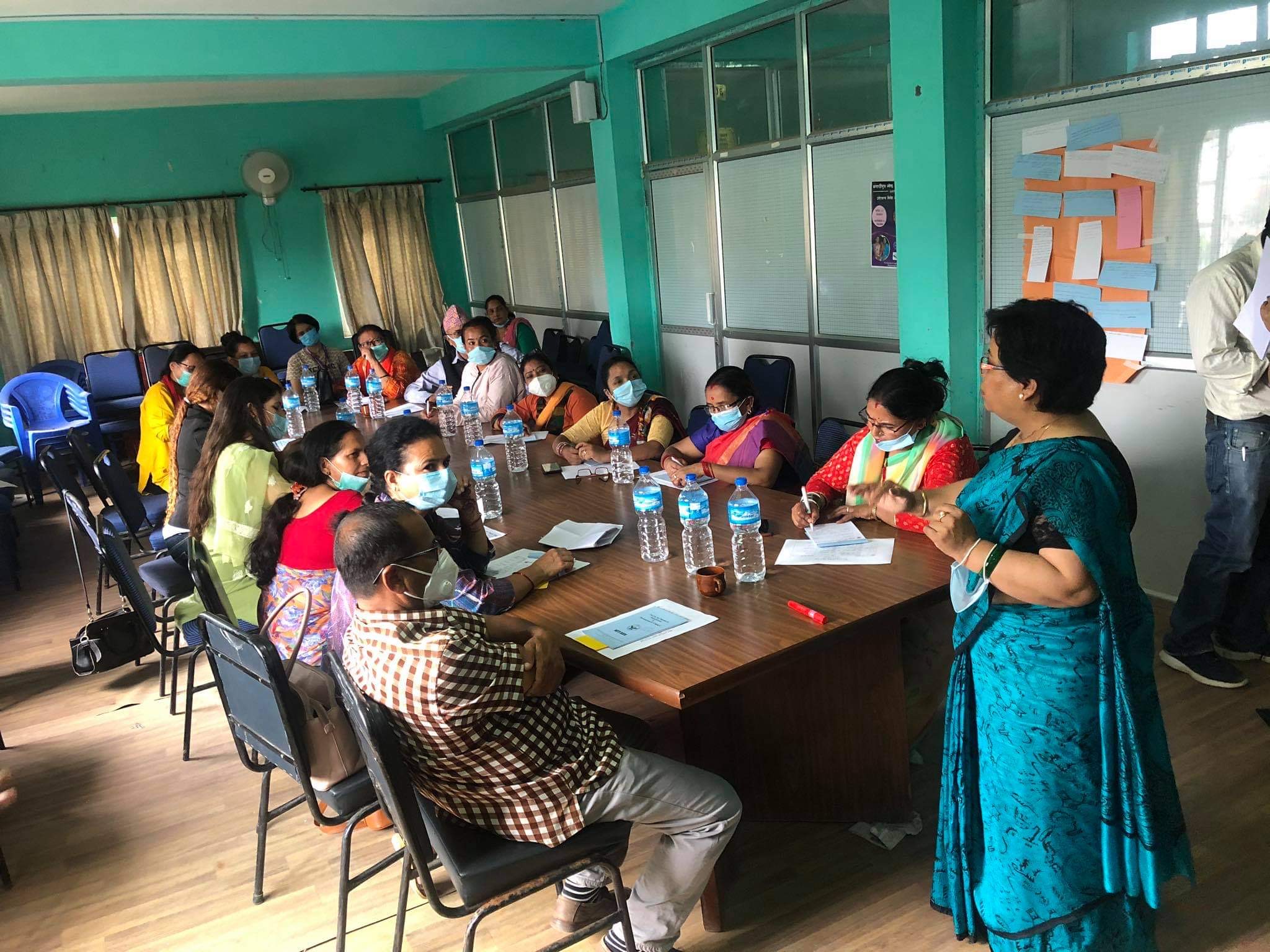
Data shows that Nepali women’s subornation and deepened poverty is an outcome of the denial to enjoy their economic, social and cultural rights. Increasing women’s access to productive and political resources, enhance decision making within the household and beyond. Deeply rooted socio-cultural norms and values and stigma against women’s advancement are another major barrier in the journey of women’s empowerment. Addressing these discriminatory practices is at the core of CWAD’s strategic intervention for next five years.
Climate change is adversely affecting on subsistence agriculture. Its undesirable consequences are reflected on women’s sexual and reproductive health. Due to climate change, large numbers of women seek employment outside farm or out-migrate to urban areas or out of Nepal too. Due to the lack of adequate safe migration information, social safety net and responsive migration governance, women are vulnerable to physical, mental and emotional violence. In order to ensure women’s economic, social and cultural rights, CWAD will focus its interventions around climate resilient sustainable livelihood practices, safe migration and labor rights, and women’s health rights.