
- August 27, 2026
- Posted by: admincwad
- Category: AEIN
No Comments
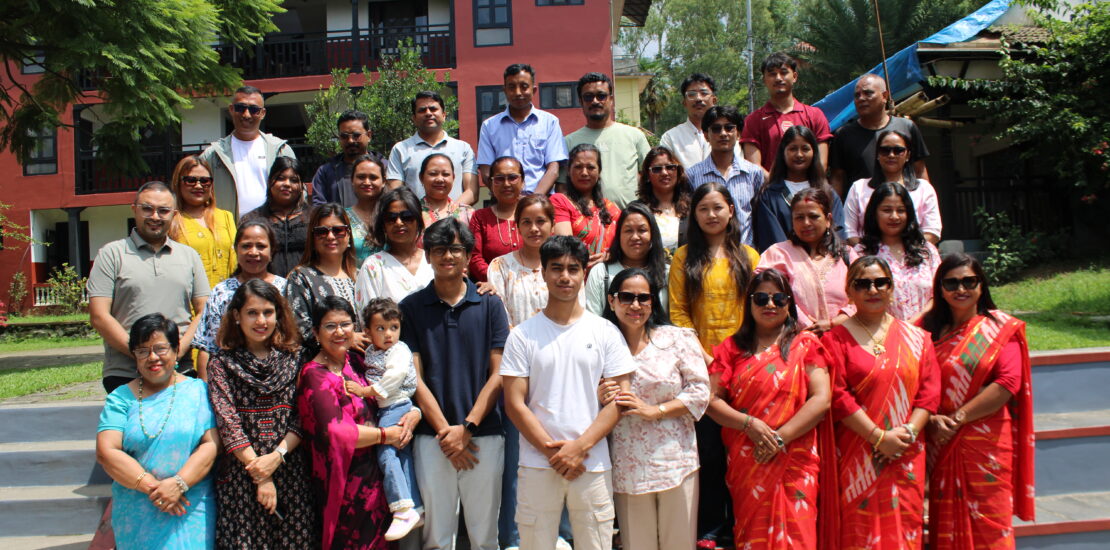
CWAD, with financial support from AEIN – Aide à l’Enfance de l’Inde et du Népal, organized a Men Engagement Program at Community Level for Agency Building of Marginalized Women and Girls on 22 August 2026 at Bhaktapur Guest House, Bhaktapur.
The program brought together members of the Women Empowered Entrepreneurs Organization (Bhaktapur Women Group) from Suryabinayak Municipality–6, along with their male and youth family members. Teachers from a community school in Suryabinayak Municipality–6 also participated in the program.
The program focused on strengthening the positive engagement of men and youth as allies in creating an enabling environment where marginalized women and girls can exercise their rights, participate meaningfully in decision-making, and strengthen their agency.
Dr. Anita Shrestha facilitated a session on gender equality and the role of men and youth in promoting Gender Equality and Social Inclusion (GESI). The session explored socially constructed gender roles and expectations and examined how harmful social norms can reinforce gender inequality. Participants reflected on discriminatory practices within families and communities and discussed pathways toward positive social norms change.
The session further emphasized the role of men in challenging discriminatory practices, promoting equal opportunities and shared responsibilities, supporting women’s participation and decision-making, and creating a supportive environment for women and girls.
Prof. Dr. Shashi Adhikary facilitated the session on “Role of Men in Preventing Gender-Based Violence and How to Combat Harmful Practices.”The session covered different forms of gender-based violence and harmful practices, including domestic violence, child marriage, polygamy, sexual violence, dowry-related practices, accusations of witchcraft, caste-based discrimination, and Chhaupadi. Participants also discussed relevant legal provisions, protection mechanisms, complaint and referral pathways, and the importance of collective responsibility in preventing violence and harmful practices.
The program highlighted that building women’s agency requires more than empowering women alone. It requires the active engagement of families, men, youth, schools, and communities to challenge unequal social norms and create supportive spaces where women and girls can participate equally and exercise their rights.
Through dialogue, reflection, and shared learning, the program encouraged participants to become positive allies and agents of change, contributing to safer, more equal, and inclusive families and communities where marginalized women and girls can exercise their rights, participate in decision-making, and strengthen their agency.